

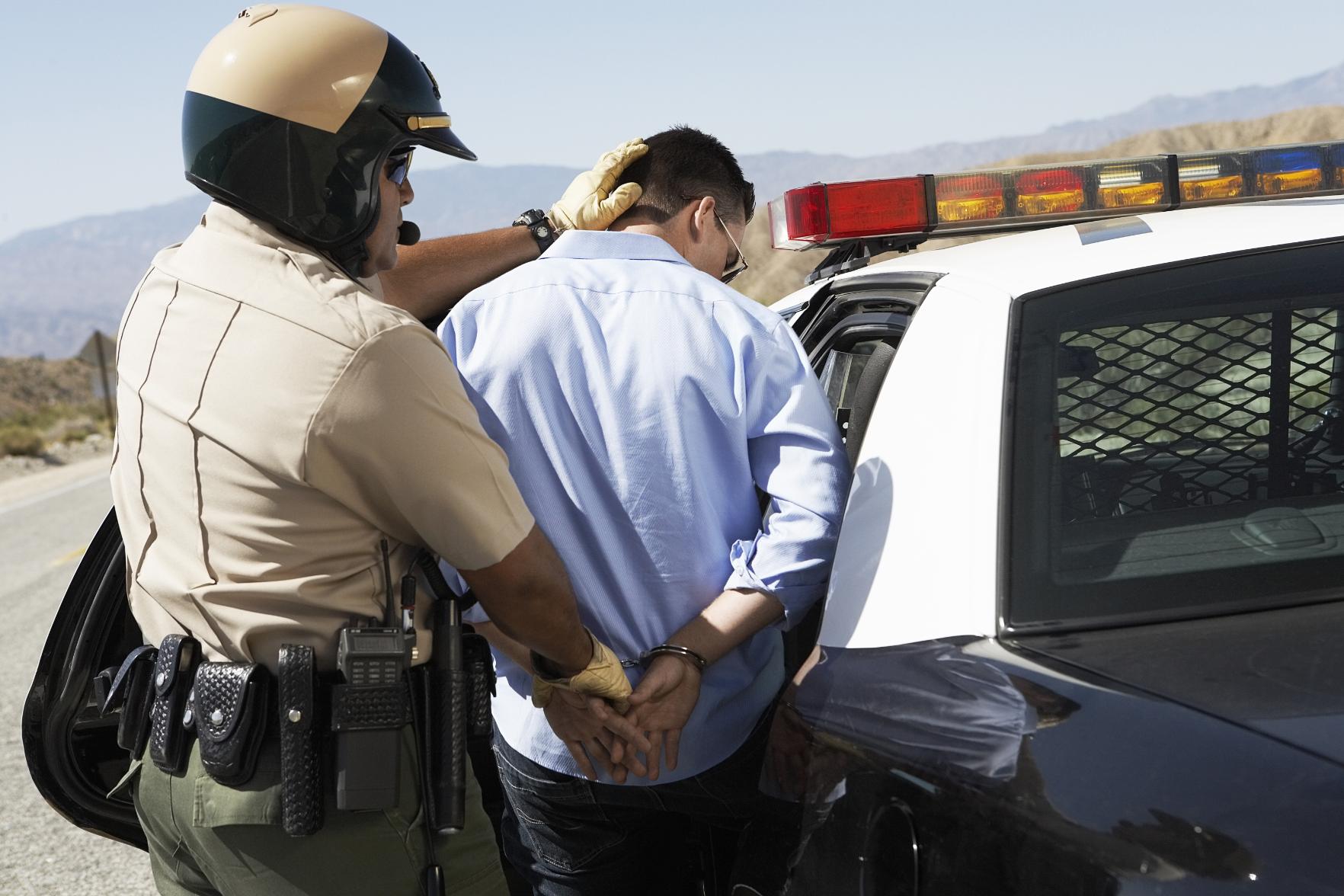
A domestic violence arrest can turn a family’s world upside down in a matter of minutes. Many people in Hillsborough County are surprised to learn that someone arrested for domestic violence often cannot be released immediately, even if family members are ready to post bail. Understanding how the 24-hour hold rule works can help reduce confusion during an already stressful situation.
Quick Answer
The 24-hour hold rule for domestic violence arrests in Hillsborough County generally means that a person arrested for a qualifying domestic violence offense must remain in custody until they appear before a judge or until at least 24 hours have passed, whichever occurs first. The purpose is to provide time for judicial review and help protect alleged victims while the court determines appropriate release conditions.
What Local Readers Should Know
-
A domestic violence arrest in Hillsborough County may involve a mandatory waiting period before release.
-
Posting bail immediately does not always mean someone can leave jail right away if the 24-hour hold applies.
-
The first appearance hearing allows a judge to determine bond conditions and any no-contact orders.
-
Arrests are commonly processed through the Hillsborough County Sheriff’s Office before the individual appears before a judge.
-
Local families often experience delays because the timing of the arrest affects when the first appearance hearing is scheduled.
Why This Matters Locally
The Hillsborough County court system processes domestic violence arrests differently than many other criminal charges. Whether an arrest occurs in Tampa, Brandon, Plant City, Temple Terrace, Riverview, or Town ‘n’ Country, families frequently expect that posting bail is the only step needed for release. Instead, Florida law requires additional judicial oversight in many domestic violence cases.
For residents across Hillsborough County, understanding these procedures can help family members prepare for what happens after an arrest instead of relying on misinformation or assumptions.
At Cigar City Bail Bonds, we regularly help families understand the bail process and what to expect after an arrest. While we cannot shorten a legally required hold, we can explain the next steps and assist as soon as release becomes legally available.
Local Data and Court Process
The Hillsborough County Sheriff’s Office processes arrests before individuals are brought before a judge for a first appearance hearing. During that hearing, the judge reviews the charges, considers public safety, determines whether bond will be allowed, and may issue conditions of release.
According to Florida’s domestic violence procedures, courts often issue no-contact orders or other restrictions before release. The exact timing depends on when the arrest occurs and the court’s schedule rather than simply when bail is posted.
How the 24-Hour Hold Works
The 24-hour hold is designed to give the court time to review the circumstances surrounding a domestic violence arrest.
In many situations:
-
The individual is booked into the Hillsborough County jail.
-
Booking and processing are completed.
-
The person remains in custody until the first appearance hearing or until 24 hours have passed, whichever occurs first.
-
A judge decides whether bond will be granted and under what conditions.
-
If bond is permitted and all legal requirements are satisfied, release can proceed.
This process helps ensure that judicial review occurs before release in qualifying domestic violence cases.
What Happens During First Appearance?
The first appearance hearing is where a judge reviews the arrest and determines the conditions for release.
The judge may consider:
-
The nature of the alleged offense.
-
Criminal history.
-
Prior domestic violence allegations or convictions.
-
Public safety concerns.
-
The relationship between the accused and the alleged victim.
-
Whether a no-contact order is appropriate.
-
Bond eligibility and amount.
Each case is unique, so release conditions can vary significantly.
Warning Signs That the 24-Hour Hold May Apply
Several circumstances commonly indicate that the mandatory hold process could affect release.
-
The arrest involves an alleged domestic violence offense.
-
Law enforcement identifies a family or household relationship.
-
The defendant is told they must wait for first appearance.
-
Family members are informed that immediate bonding out is unavailable.
-
The jail indicates judicial review is required before release.
-
A temporary no-contact order is expected.
If these situations apply, families should prepare for the possibility that release will not occur immediately after posting bail.
When to Contact a Bail Bond Professional
A bail bond professional can help explain the process even if release is temporarily delayed.
Families should consider reaching out:
-
Immediately after learning about the arrest.
-
Before traveling to the jail with payment.
-
To understand when bond may become available.
-
To prepare paperwork ahead of the defendant’s release.
-
To receive updates about the bonding process once judicial approval is granted.
While no bail bond company can override court requirements, preparing early often helps speed up the release process once the hold expires.
Common Reasons the Hold Exists
The 24-hour hold serves several purposes within Florida’s criminal justice system.
Judicial Review
A judge has an opportunity to evaluate the facts before release.
Victim Safety
The waiting period provides additional time to consider protective measures, including no-contact orders.
Appropriate Bond Conditions
Rather than relying solely on a standard bond schedule, judges can establish release conditions tailored to the individual case.
Court Oversight
Domestic violence allegations often require more careful judicial review than many other misdemeanor offenses.
Preparing for Release
Families cannot eliminate the mandatory waiting period, but they can take steps to make the release process smoother.
Helpful preparations include:
-
Gathering basic identifying information for the defendant.
-
Monitoring the scheduled first appearance hearing.
-
Understanding possible bond requirements.
-
Having necessary payment arrangements ready.
-
Following all court-issued release conditions after discharge.
Trying to pressure jail staff or repeatedly calling for immediate release generally will not change the legally required timeline.
What to Expect After Release
Release from custody is only the beginning of the legal process.
Many defendants must:
-
Attend future court appearances.
-
Follow all no-contact orders.
-
Comply with any travel restrictions.
-
Avoid violating release conditions.
-
Remain in communication with their attorney.
Violating release conditions can result in additional legal consequences or revocation of bond.
Common Mistakes Families Make
Assuming Bail Means Immediate Release
Even if bond has been arranged, the defendant may still remain in custody until the judge authorizes release.
Ignoring Court Orders
No-contact orders begin immediately once issued and should be taken seriously.
Waiting Too Long to Arrange Bond
Preparing bond paperwork while the defendant remains in custody can help reduce delays once release becomes available.
Relying on Rumors
Every domestic violence case has unique circumstances. Information from friends or social media may not accurately reflect Hillsborough County procedures.
Common Local Scenario
A Brandon resident is arrested late on a Saturday evening following a domestic dispute. Family members immediately contact a bail bond company expecting release within a few hours. Because the arrest qualifies for the domestic violence hold, the individual remains in custody until the required judicial review occurs. By preparing bond arrangements during the waiting period, the family is ready to complete the release process as soon as the court authorizes it.
Related Bail Bond Services
Domestic violence cases often involve unique release procedures compared to other criminal charges.
We assist clients by:
-
Explaining the local bonding process.
-
Helping families understand court timelines.
-
Preparing bond paperwork in advance.
-
Coordinating release once legally permitted.
-
Answering questions about Hillsborough County procedures.
Comparing Your Options
| Option | What to Expect |
|---|---|
| Wait without assistance | You may have limited information about the release process. |
| Contact a bail bond professional early | You can prepare paperwork and understand what happens once release becomes available. |
| Wait until after first appearance | This may delay the release process because paperwork begins later. |
Service Areas
We proudly assist clients throughout Hillsborough County, including Tampa, Brandon, Riverview, Plant City, Temple Terrace, and surrounding communities. Our familiarity with the local court and jail process helps families understand what comes next.
The Cost of Waiting
Delaying preparations after an arrest can extend the overall release process once the court authorizes bond. Having paperwork, payment arrangements, and necessary information ready allows families to move more efficiently after judicial approval.
Frequently Asked Questions
Does every domestic violence arrest in Hillsborough County have a 24-hour hold?
Not every case is identical. Many qualifying domestic violence arrests involve judicial review before release, but the exact circumstances depend on the charges, applicable law, and the judge’s decisions.
Can someone post bail immediately after a domestic violence arrest in Tampa?
Posting bail may not result in immediate release if the 24-hour hold or first appearance requirement applies. Judicial approval may still be required before release can occur.
Why does Hillsborough County require a waiting period?
The waiting period allows a judge to review the case, determine appropriate bond conditions, and consider measures intended to protect alleged victims before release.
Can the alleged victim cancel the charges to speed up release?
No. Criminal charges are handled by the State Attorney’s Office. An alleged victim generally cannot dismiss criminal charges or eliminate the court’s release requirements.
What happens at the first appearance hearing?
The judge reviews the charges, considers bond, issues any necessary release conditions, and may enter a no-contact order depending on the circumstances.
How long does someone usually stay in jail after a domestic violence arrest in Hillsborough County?
The answer depends on when the arrest occurs, court scheduling, booking procedures, and judicial decisions. Some individuals appear before a judge well before 24 hours have passed, while others may remain in custody until the required review is completed.
Can a bail bond company remove the 24-hour hold?
No. Bail bond companies cannot waive or shorten a court-required hold. They can, however, help prepare the bond process so release can move forward promptly once legally authorized.
Is a lawyer required before the first appearance?
A defendant has the right to legal representation, but the first appearance hearing often occurs before a private attorney has been retained. The court will advise defendants of their rights during the process.
Understanding the Process Can Reduce Stress
A domestic violence arrest creates uncertainty for everyone involved. Knowing how the 24-hour hold rule works in Hillsborough County helps families prepare for the legal process instead of expecting immediate release. Understanding the timeline and court procedures can make a difficult situation more manageable.
Get Help Understanding Your Bail Options
When every hour matters, having accurate information can make the process less overwhelming.