

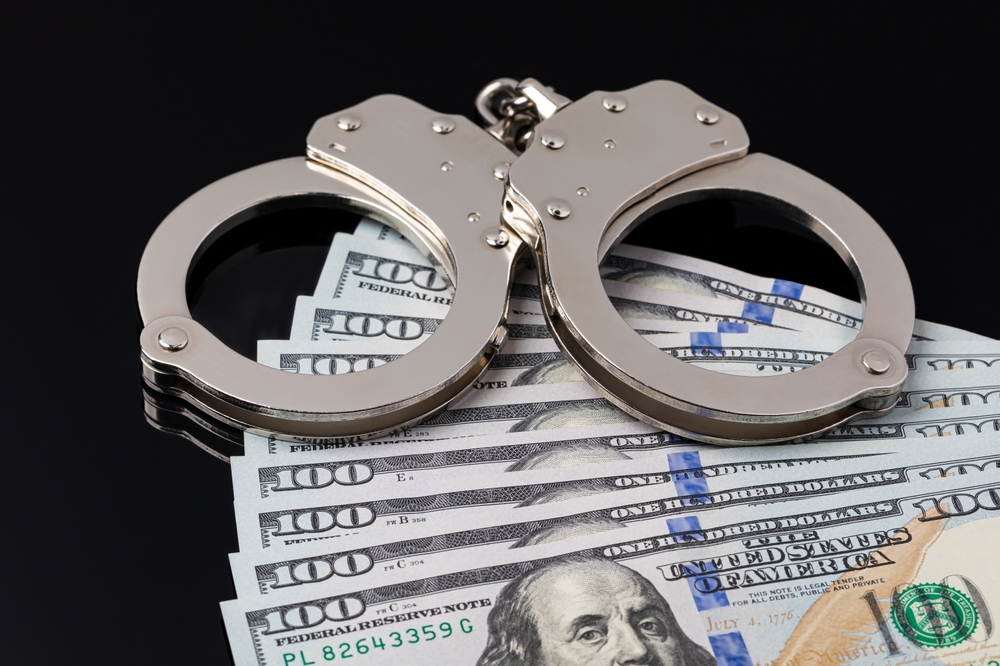
The debate over bail reform continues to gain momentum across the United States. At the heart of this discussion is a concept that challenges the traditional model of securing pretrial freedom through financial payments: cashless bail. Understanding this system is critical for Florida residents, as it impacts defendants, law enforcement, public safety, and the broader justice system. In this post, we will dive deep into cashless bail explained, explore how it works, and examine its current and potential effects on Florida’s legal landscape.
What Is Cashless Bail?
To understand what is cashless bail, one must first understand how the conventional bail system operates. Traditionally, when someone is arrested, a judge sets a bail amount. If the defendant can pay that amount or arrange a bail bond through a bondsman, they are released from jail while awaiting trial. If they cannot pay, they remain in custody.
Cashless bail, on the other hand, eliminates or reduces the reliance on monetary payments to determine whether a defendant should be released before trial. Instead of financial conditions, courts use other factors to evaluate whether a person is likely to return for their court date and whether they pose a risk to public safety. This evaluation often includes reviewing the defendant’s criminal history, employment status, community ties, and nature of the charges.
The purpose of cashless bail is to prevent low-risk individuals from being jailed simply because they cannot afford bail. It aims to make the pretrial release process more equitable by focusing on the risk a person poses rather than their financial resources.
How Does Cashless Bail Work?
Cashless bail systems rely on risk assessments and structured decision-making tools. After an arrest, a judge or magistrate considers a variety of factors, including prior convictions, history of court attendance, and the seriousness of the alleged offense. If the person is deemed low-risk, they may be released on their own recognizance, which means they promise to return to court without having to pay bail.
In some jurisdictions, pretrial services programs support these decisions. These programs may include regular check-ins, electronic monitoring, or drug testing, depending on the defendant’s situation. These measures aim to ensure that individuals released without bail still comply with court requirements and public safety expectations.
Another key component of cashless bail is judicial discretion. Judges can impose non-monetary conditions tailored to individual cases. These may include stay-away orders, participation in counseling, or maintaining employment. The system gives courts more flexibility while reducing the economic burden on defendants.
Does Florida Have Cashless Bail?
Many Floridians are asking, does Florida have cashless bail? The answer is both complex and evolving. While Florida has not adopted a comprehensive statewide cashless bail policy like some other states, there are elements within its judicial system that reflect the principles of cashless bail.
Florida law allows for pretrial release under various non-financial conditions. For example, Florida Statute 907.041 outlines criteria for releasing certain defendants without requiring monetary bail. Judges may consider non-financial conditions of release, including supervised release and pretrial monitoring programs, particularly for non-violent offenses.
Some counties, such as Miami-Dade and Palm Beach, have implemented structured pretrial release programs that prioritize risk assessment over bail schedules. These programs offer a glimpse into what broader bail reform in Florida might look like if cashless bail gains more traction.
However, it is important to note that Florida has not eliminated cash bail, and many defendants still face significant financial barriers to release. The state’s existing framework supports both financial and non-financial release options, depending on the jurisdiction and the circumstances of the case.
Bail Reform and Pretrial Release in Florida
Bail reform in Florida is a topic of growing interest among lawmakers, legal advocates, and community members. Critics of the current bail system argue that it disproportionately impacts low-income individuals and people of color, trapping them in jail before trial simply because they cannot afford to pay. This can lead to lost jobs, family disruption, and pressure to accept plea deals regardless of actual guilt.
Supporters of reform advocate for expanding the use of pretrial release programs, reducing reliance on cash bail, and implementing standardized risk assessment tools. These changes are aimed at making the system more just and efficient, while ensuring public safety.
Pretrial release in Florida already exists in various forms. These include supervised release programs, GPS monitoring, and mandatory check-ins with pretrial services officers. In many counties, these alternatives to cash bail are reserved for first-time offenders or individuals charged with low-level crimes.
The Florida Supreme Court and local judicial circuits have periodically issued administrative orders encouraging more uniform pretrial release practices. However, implementation varies widely between counties, creating a patchwork system where defendants in one jurisdiction may face significantly different outcomes than those in another.
Bail Bond Alternatives and Florida Bail Laws
As the conversation about cashless bail continues, many people are exploring bail bond alternatives. These include release on recognizance (ROR), supervised release, and unsecured bonds, where the defendant signs an agreement to pay a set amount if they fail to appear but does not have to pay anything upfront.
Florida bail laws currently allow for these alternatives, but they are not used uniformly across the state. Judges retain significant discretion, and in some jurisdictions, financial bail remains the default option even for minor offenses.
The traditional bail bond industry still plays a major role in Florida’s pretrial system. Bail bondsmen provide a service by covering the cost of bail in exchange for a fee (typically 10 percent of the total amount). While this can be helpful for some, it also places an ongoing financial burden on defendants and their families.
The rise of bail bond alternatives highlights the shift toward more equitable systems that do not punish poverty. However, without statewide legislation mandating reform, these alternatives will likely continue to be applied inconsistently across Florida.
Conclusion
Cashless bail represents a significant shift in how the criminal justice system approaches pretrial detention. It aims to create a fairer system where freedom before trial is not dependent on a person’s bank account but rather on objective risk assessments and public safety concerns. With cashless bail explained, it becomes clear that the goal is to balance individual rights with the need for accountability and community safety.
Florida has not yet adopted a statewide cashless bail system, but components of it exist in the form of pretrial release programs and judicial discretion. The question, does Florida have cashless bail, is best answered by acknowledging the state’s gradual movement toward reform, even if a complete transition has not occurred.
Bail reform in Florida continues to be a contested issue. As advocates push for more consistent and just practices, bail bond alternatives and pretrial release initiatives provide a pathway toward change. Florida bail laws allow for flexibility, but the real challenge lies in ensuring equal application and access to non-monetary release options across all jurisdictions.
Ultimately, the future of cashless bail in Florida will depend on legislative action, judicial leadership, and public engagement. Understanding the current system and the potential for reform empowers citizens to advocate for a more equitable legal process that respects the rights of all defendants, regardless of income.
Need Bail and Surety Bonds Near You?
If you or someone you know needs fast, dependable bail assistance, reach out to us at Cigar City Bail Bonds today. With over 20 years of experience in law enforcement and the bail industry, we understand how stressful this time can be, and we’re here to make it easier. Our team is ready 24/7 to handle your bail or surety bond quickly and efficiently, whether you’re in Hillsborough or Pinellas County. We take pride in being just a call or click away, so don’t wait; contact us now and let us help you get back to what matters most.